
- Home
- Court Marriage
Court Marriage
Practice Area
- Dowry Case Law
- Family Law
- Child Custody Lawyers
- Court Marriage Registration
- Court Marriage
- Drunk Driving
- Cyber Crime
- Property Law
- Supreme Court Lawyers
- Service And CAT Matters Law
- Labour And Industrial Law
Court Marriage
Contact Our Support Guys
Court marriage is a legal procedure through which a couple formalizes their marital relationship in the presence of a legal authority, typically a marriage registrar or a judge, without the need for elaborate religious or traditional ceremonies. This process is chosen by couples seeking a simple, straightforward, and legally recognized union. The steps involved in a court marriage may vary based on jurisdiction, but the fundamental aspects remain consistent.
Eligibility and Legal Requirements:
Couples opting for court marriage must meet certain eligibility criteria, such as being of legal marriageable age, not closely related, and mentally competent to give valid consent. Different jurisdictions may have specific legal requirements, so it’s essential for the couple to understand and fulfill these conditions.
Notice of Intention:
In many places, a notice of intention to marry is required. This involves submitting an application to the local marriage registrar, informing the public about the impending marriage. This notice period allows for any objections to be raised on legal grounds.
Application Submission:
The couple is required to submit an application form provided by the marriage registrar. This form typically includes details about the individuals, such as names, addresses, marital status, and other relevant information. Supporting documents, such as identity proofs and photographs, are also submitted.
Verification and Objections:
The authorities verify the information provided in the application. If there are no legal objections raised during the notice period, the process proceeds. Any objections raised are addressed following legal procedures.
Marriage Registration Ceremony:
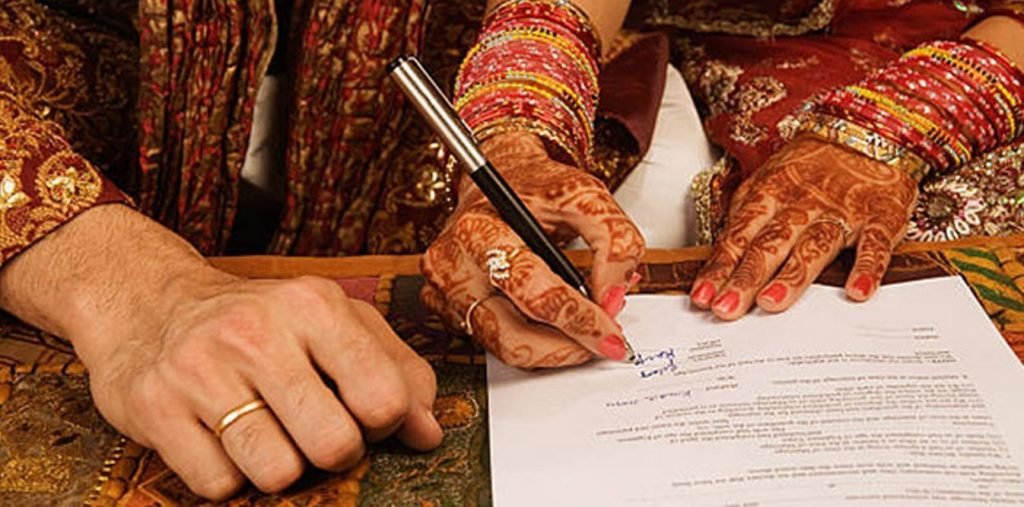
The actual court marriage ceremony takes place at the registrar’s office or a designated court. The couple, along with witnesses, appears before the registrar or judge. The ceremony is generally brief, involving the exchange of vows and the signing of the marriage register.
Issuance of Marriage Certificate:
Upon successful completion of the court marriage ceremony, the marriage registrar issues a marriage certificate. This document serves as legal proof of the marriage and includes essential details such as the date of marriage, names of the spouses, and the signatures of witnesses.